Solar Heating and Renewables
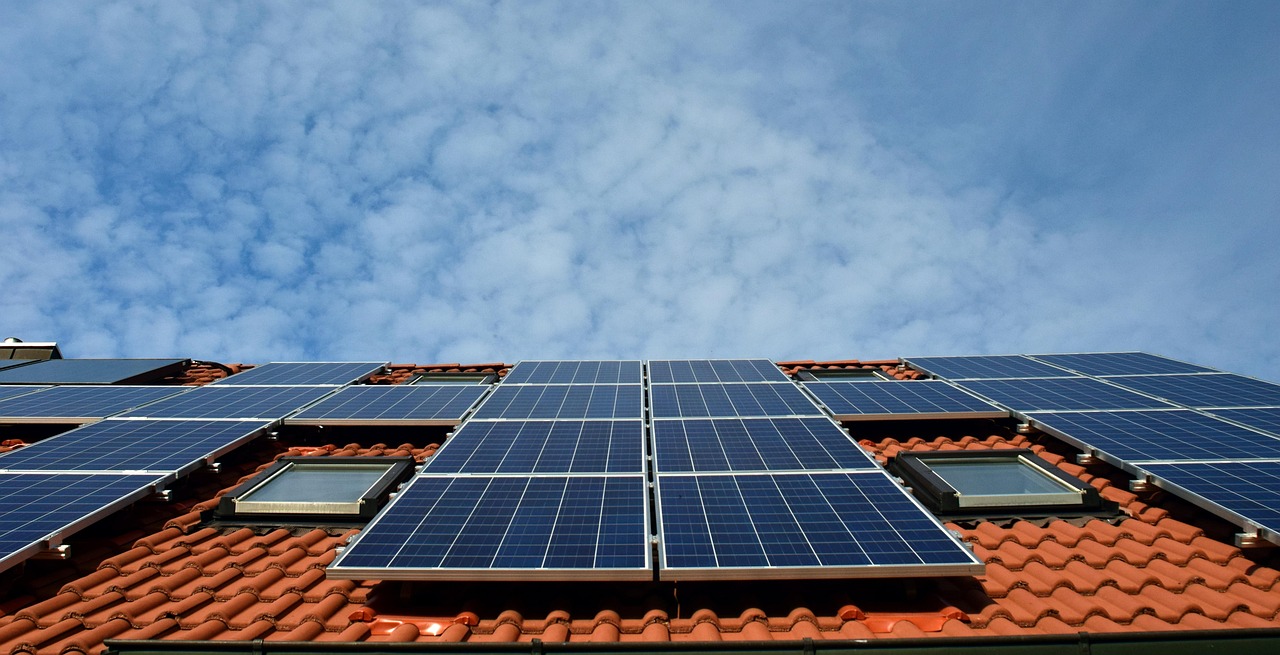
What is a solar thermal system?
In essence, a solar thermal system is a system that can be used for DHW heating and central heating backup. Solar energy is free, so you not only save on fossil energy. You will also find that your investment in a solar thermal system pays for itself within just a few years. After all, there are no costs for the energy source.
Design of a solar thermal system
In order to be able to use the sun's energy, collectors are needed to capture the rays. Viessmann Vitosol has developed tube and flat-plate collectors to do just that. These collectors absorb the sun's rays and convert them into usable heat. In addition to the collectors, a solar thermal system consists of an absorber, a solar circuit and a solar fluid or medium. When the rays hit the collectors, this energy is converted into heat in the absorber. It is first pumped into the buffer cylinder or DHW cylinder and from there, it is distributed via the circuit in the household – either as a backup for the heating circuit or to heat the domestic hot water. The heat is first transported to the corresponding storage unit by means of the solar medium. From the DHW cylinder, the heat then reaches the draw-off points, such as the taps or shower, in the form of hot water as required.
Does solar thermal always have to be combined with underfloor heating?
A widespread misconception is that solar thermal for central heating backup is only possible in combination with underfloor heating systems. Traditional radiators can also be used with a solar thermal system. The yields are only slightly lower on an annual average and are primarily determined by the somewhat higher return temperatures from the radiators
What should you consider when designing a solar thermal system?
The following rule of thumb applies when designing a solar thermal system for a detached or two-family house: if the collector area is oriented between south-east and south-west, 1.5 square metres of flat-plate collector or 1.0 square metres of tube collector area should be assumed for 100 litres of cylinder volume. Yield losses due to unfavourable orientation or inclination can be compensated for by a slightly increased collector area.
Receive a free, individual, no-obligation consultation on our solar thermal systems, request a consultation now